

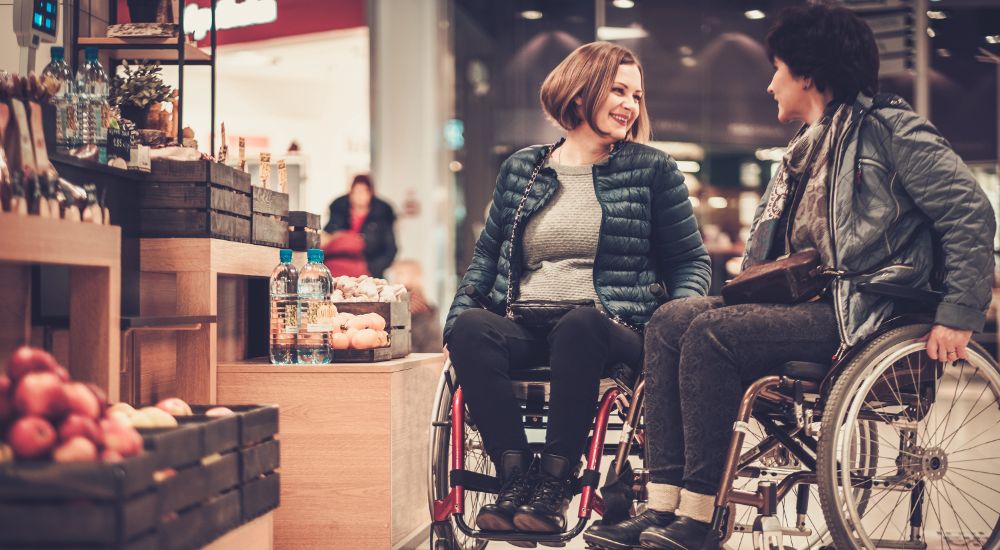
Falling in love or being with someone is one of the best feelings one could ever experience. Aside from being part of basic human needs, social relationships also provide various advantages such as an increased sense of belongingness, improved emotional well-being, and enhanced quality of life. However, forming a relationship may be challenging for others, especially people with disabilities, due to internal or external barriers.
Let’s work on removing any barriers …
BARRIERS IN FORMING RELATIONSHIPS
- Internal fears and self-doubt
- Fear of rejection and not being liked
- Fear of stigma when entering a relationship
- Feelings of undesirability and unattractiveness
- Pressure and frustration of not meeting the ideal standard of beauty set by the society
- Fear of not satisfying the partner
- Difficulty communicating
- Feelings of inferiority and insecurity
- Low self-confidence
- Inadequate social skills
- Loss of independence and autonomy
- Physical and societal limitations
- Reliance on others for assistance
- Limited opportunities to meet, form and maintain intimate relationships
- Physical and social isolation
- Over-protection of family
WHAT COULD WITH REMOVING BARRIERS
- Accept and embrace disability to cultivate a sense of empowerment.
- Set personal standards of beauty and be confident about it instead of conforming to the ideal standards of beauty promoted by society.
- Use voice to educate the public and increase awareness about disability.
- Be honest and open about disability at the early stages of a relationship.
- Explore and join various social opportunities to meet others and build meaningful relationships.
- Develop a sense of resilience and a positive attitude in managing difficulties.
- Seek support from others.
- Focus on self-improvements.
- Explore different opportunities that can enhance skills.
- Practice the importance of open communication.
Doubts and worries will always be there in forming and maintaining relationships with others, but confronting these barriers and taking the initiative to remove them can help build a healthy relationship.
Content provided by our partners in mental wellness:


Comments are closed.